What Is Suhoor and Iftar? Meaning, Purpose & How They Are Observed
What Is Suhoor and Iftar? Meaning, Purpose & How They Are Observed
During Ramadan, Muslims fast from dawn until sunset. Two important meals mark the beginning and end of each fast:
-
Suhoor — the pre-dawn meal before fasting begins
-
Iftar — the meal at sunset that breaks the fast
Understanding Suhoor and Iftar helps Muslims maintain physical strength and spiritual focus throughout Ramadan.
What is Suhoor?
Suhoor is the meal eaten before sunrise, before the fast begins for the day.
Suhoor:
-
occurs before the Fajr prayer (dawn)
-
gives the fasting person strength and energy
-
is recommended because the Prophet Muhammad ﷺ encouraged eating it
Suhoor is blessed and beneficial, even if it is a small meal. Many Muslims choose wholesome foods that help sustain them throughout the day.
What is Iftar?
Iftar is the meal eaten at sunset to break the fast.
Iftar occurs immediately after the Maghrib prayer, and traditionally begins with:
-
dates and water (following the Prophet’s ﷺ practice)
-
followed by a larger meal
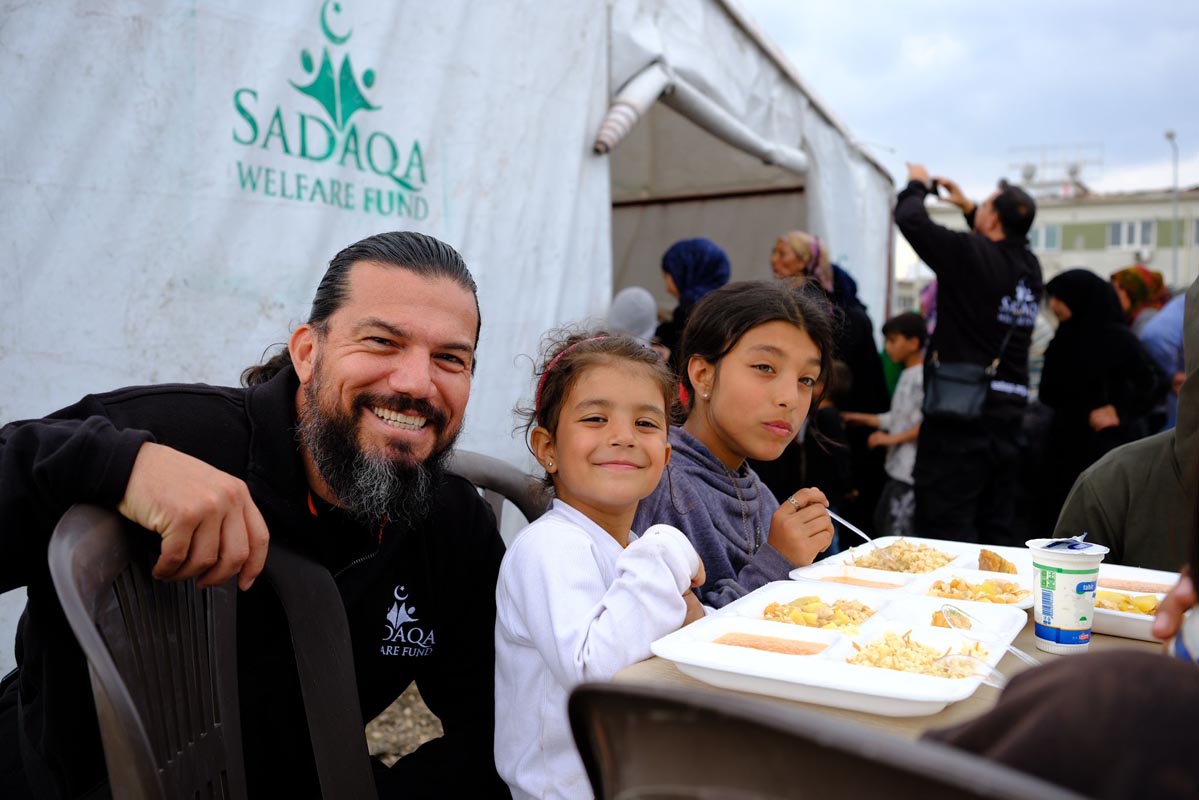
Iftar is a time of joy, gratitude, and often community — families and neighbours gather to eat together.
Why Suhoor and Iftar Are Important
Both Suhoor and Iftar have spiritual and physical significance:
Spiritual Significance
Fasting is an act of worship that teaches patience, gratitude, and empathy for those in need. Suhoor and Iftar are part of this rhythm:
-
Suhoor prepares the body and heart for the day of worship.
-
Iftar is a moment of thankfulness to Allah for strength and mercy.
Some traditions encourage a moment of du’a (supplication) at Iftar, expressing gratitude and asking Allah for acceptance of the fast.
What to Do at the Time of Iftar
Tradition and Sunnah encourage:
-
beginning Iftar with dates and water
-
making a du’a before eating
-
breaking the fast promptly when the sun sets
This practice follows the example of the Prophet Muhammad ﷺ and reflects gratitude and discipline.
Recommended supplications include:
“Allahumma laka sumtu wa ‘ala rizqika afthartu”
(O Allah, for You I have fasted and with Your provision I break my fast.)
You can make this or any heartfelt dua as you break your fast.
Suhoor and Iftar in Daily Ramadan Life
While Suhoor and Iftar are meals, they are also anchors of the daily Ramadan routine:
-
Planning: Many prepare Suhoor the night before to ensure a nutritious start.
-
Timing: Both must occur within correct prayer times — before Fajr and at Maghrib respectively.
-
Balance: Eating moderately at Suhoor and Iftar helps maintain energy throughout the month.
For help planning your daily fasting rhythm, see What is Ramadan?
Suhoor, Iftar and Charity
Ramadan emphasizes generosity. During Suhoor and Iftar:
-
some people invite family and neighbours to share the meal
-
others donate meals to those in need
-
many give Sadaqa to support their community
Giving charity during Ramadan multiplies spiritual reward.
Common Questions About Suhoor and Iftar
Is Suhoor required in Islam?
Suhoor is highly recommended (Sunnah) and encouraged by the Prophet ﷺ, but the fast is still valid if one must miss it.
What breaks the fast at Iftar?
The fast is broken at the sunset (Maghrib) prayer time. Eating or drinking before this invalidates the fast.
Can I break my fast with anything?
Yes, but sunnah is to break with dates and water. After that, you may enjoy your full meal.
Conclusion
Suhoor and Iftar are integral to the daily rhythm of Ramadan, providing physical nourishment and opportunities for spiritual reflection. They connect fasting individuals to centuries of tradition, gratitude, and community.
Whether eating Suhoor before dawn or sharing Iftar at sunset, both meals express the gratitude, discipline, and mercy that define Ramadan.

Related Articles
Appeals
Our Projects
Sadaqa
Bank Account
NAME: Sadaqa Welfare Fund
BANK: NAB
BSB: 082494
Account: 722416200
Swift Code: NATAAU3302S
(For International Transfers)
Ref: Donor's Full Name
Call Us
Phone
Have questions or want to learn more about our initiatives? Our dedicated team is here to assist you.
Zakat
Bank Account
Name: Sadaqa Welfare Fund
BANK: NAB
BSB: 082494
Account: 722049316
Swift Code: NATAAU3302S
(For International Transfers)
Ref: Donor's Full Name
Download the Sadaqa App to help the Ummah. Donate easily with no Transaction Fee.


© 2026 - Sadaqa
Welfare
Fund, All Rights
Reserved. Terms & Conditions | Privacy
Policy
Donations are tax deductible under subdivision 30 BA of income tax assessment act
1997
Charity Number: 23915
ABN: 87 931 078 265
