What is the difference between Zakat and Sadaqa?
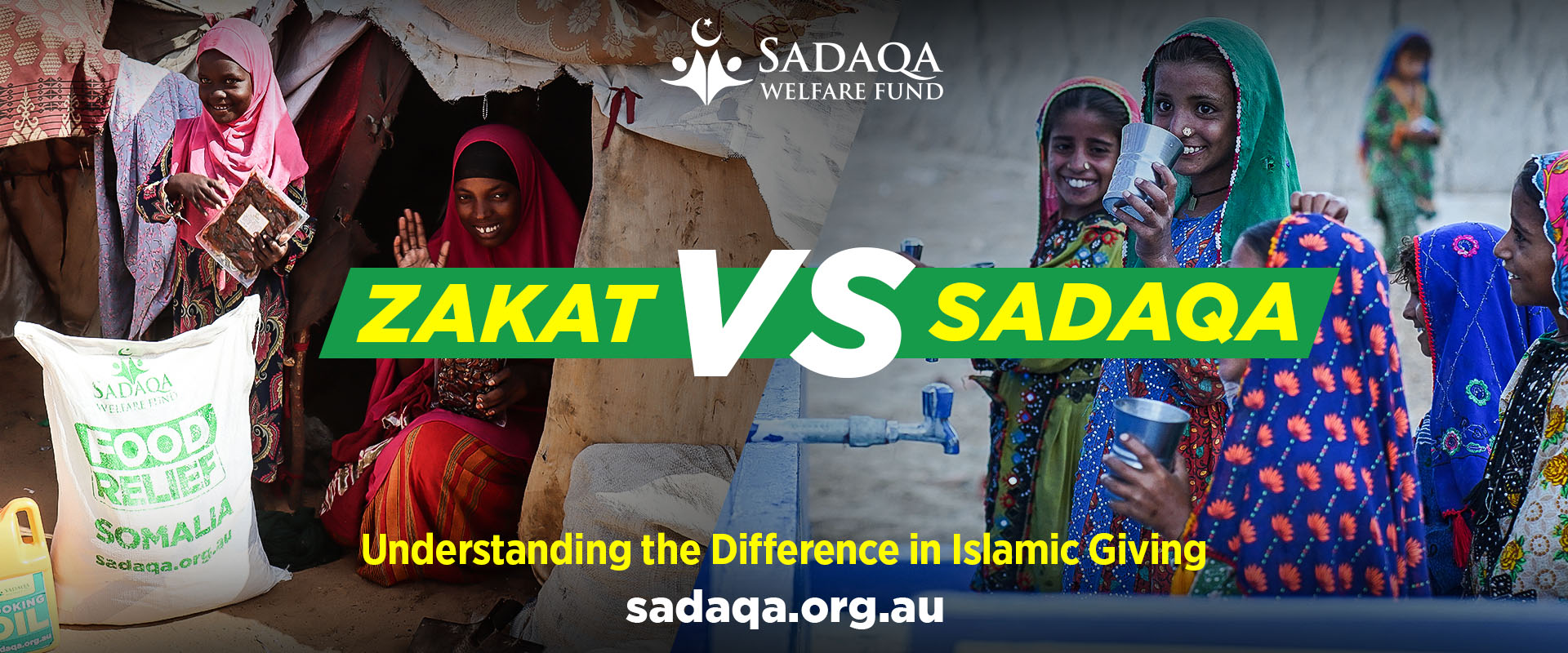
What Is the Difference Between Zakat and Sadaqa?
In Islam, giving charity is a core expression of faith — but not all charity is the same. The two most common forms of giving are Zakat and Sadaqa. While both are acts of worship and bring reward, they differ in obligation, amount, timing, and recipients.
Understanding the difference between Zakat and Sadaqa helps you fulfil your obligations correctly and give with clarity and intention.
Zakat vs Sadaqa: the key difference
The simplest way to understand the difference is this:
-
Zakat is obligatory for eligible Muslims
-
Sadaqa is voluntary and can be given at any time
Both are important, but they serve different purposes in Islamic life.
If you’re new to Zakat, start with What is Zakat?
Obligation: mandatory vs voluntary giving
Zakat
Zakat is fard (obligatory) and one of the Five Pillars of Islam. If a Muslim meets the Nisab threshold and other conditions, paying Zakat is a religious duty.
Sadaqa
Sadaqa is voluntary. It is highly encouraged and beloved by Allah, but there is no sin if it is not given. It reflects sincerity, generosity, and compassion beyond obligation.
To check whether Zakat is required for you, read Who is required to pay Zakat?
Amount: fixed vs flexible
Zakat
Zakat has a fixed rate, most commonly 2.5% of qualifying wealth once it exceeds Nisab. It requires calculation based on savings, gold, investments, and other Zakatable assets.
To work this out accurately, you can use the Zakat Calculator.
Sadaqa
Sadaqa has no fixed amount. It can be large or small, monetary or non-monetary. Any act of kindness done sincerely for Allah can be Sadaqa.
Timing: annual vs anytime
Zakat
Zakat is generally due once a year, after your wealth has remained above Nisab for a full lunar year (Hawl). Each person has their own Zakat due date.
To understand this better, read When is Zakat due?
Sadaqa
Sadaqa can be given at any time — daily, weekly, during hardship, or in moments of gratitude. There is no due date or anniversary.
Recipients: restricted vs broad
Zakat
Zakat can only be given to specific eligible recipients defined in the Qur’an (the Asnaf). It cannot be used for every cause.
To learn more, read Who can receive Zakat?
Sadaqa
Sadaqa is much broader. It can be given to:
-
Muslims and non-Muslims
-
individuals or communities
-
short-term relief or long-term projects
This includes things like food aid, water wells, education, and community support.
Sadaqa Jariyah: ongoing charity
A special form of Sadaqa is Sadaqa Jariyah — ongoing charity that continues to benefit others long after it is given.
Examples include:
-
building water wells
-
supporting education
-
planting trees
While Zakat often addresses immediate needs, Sadaqa Jariyah focuses on long-term benefit and lasting reward.
Should you give Zakat or Sadaqa?
The answer is both, but in the right order.
-
Zakat is your obligation and must be fulfilled if you are eligible
-
Sadaqa is an opportunity to give more, help more, and earn additional reward
At Sadaqa Welfare Fund, you can Donate Zakat to fulfil your obligation or give Sadaqa to support a wide range of charitable causes.
Give with understanding and intention
Knowing the difference between Zakat and Sadaqa allows you to give correctly and with confidence. Fulfil what is required, then give more where you can.
Whether you are calculating your Zakat or choosing to give Sadaqa, every sincere act of charity brings benefit — to you, to others, and to the wider Ummah.

Related Articles

Appeals
Our Projects
Sadaqa
Bank Account
NAME: Sadaqa Welfare Fund
BANK: NAB
BSB: 082494
Account: 722416200
Swift Code: NATAAU3302S
(For International Transfers)
Ref: Donor's Full Name
Call Us
Phone
Have questions or want to learn more about our initiatives? Our dedicated team is here to assist you.
Zakat
Bank Account
Name: Sadaqa Welfare Fund
BANK: NAB
BSB: 082494
Account: 722049316
Swift Code: NATAAU3302S
(For International Transfers)
Ref: Donor's Full Name
Download the Sadaqa App to help the Ummah. Donate easily with no Transaction Fee.


© 2026 - Sadaqa
Welfare
Fund, All Rights
Reserved. Terms & Conditions | Privacy
Policy
Donations are tax deductible under subdivision 30 BA of income tax assessment act
1997
Charity Number: 23915
ABN: 87 931 078 265
